Our platform
These priorities guide the candidates and campaigns we support. Each one affects Austinites today and shapes the city we leave to the next generation.
Clean water, healthy air, and thriving natural systems are the foundation of a livable Austin. We support leaders who protect our watersheds, fund real solutions for the urban heat island, and defend the biodiversity that makes this region unique.
Austin faces heat, flooding, and storms that grow more severe each year. We back candidates who invest in serious planning, mitigation, and recovery, and who fully fund the emergency responders and disaster preparation our neighborhoods depend on.
Policy should not reward the already wealthy at the expense of everyone else. We support affordability measures that do not accelerate displacement and gentrification, and we oppose blank checks that shift the cost onto working families.
No one should be pushed out of the city they call home. We stand for keeping neighborhoods intact, protecting residents from displacement, and supporting the unhoused with the resources they actually need rather than overspending on consultants.
Parks belong to the people who live here. We support maintaining and protecting public parks for residents rather than giving them away to private interests, and we defend the trails and open spaces that define Austin.
We focus on public safety, not politics. Austin should invest in the professionals who keep us safe, with full funding and support for police, fire, and EMS. We back the programs, policies, and people that help keep every Austinite safe, and we reject any use of race or socioeconomic status to decide who gets help.
Our Austin
The natural spaces, neighborhoods, and shared water that our platform protects.
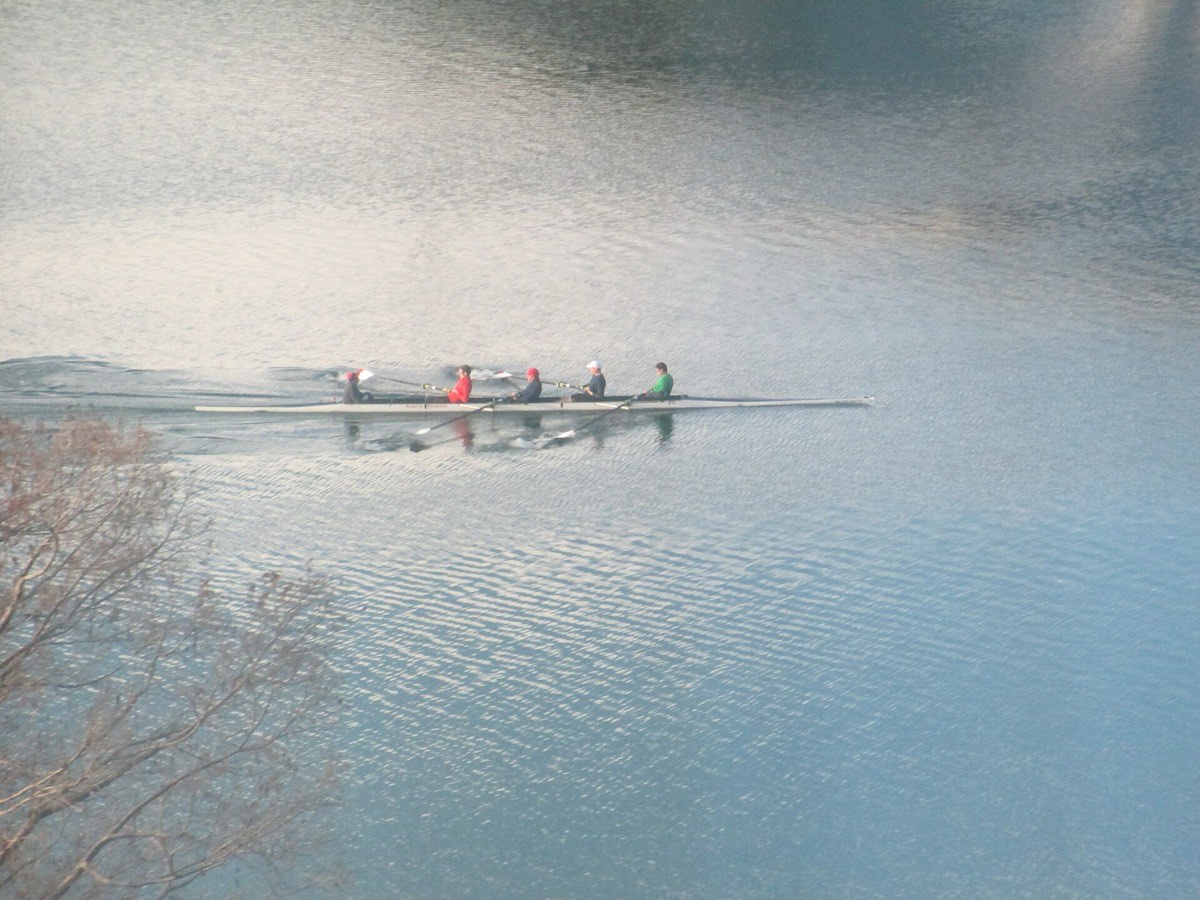 Water and biodiversity
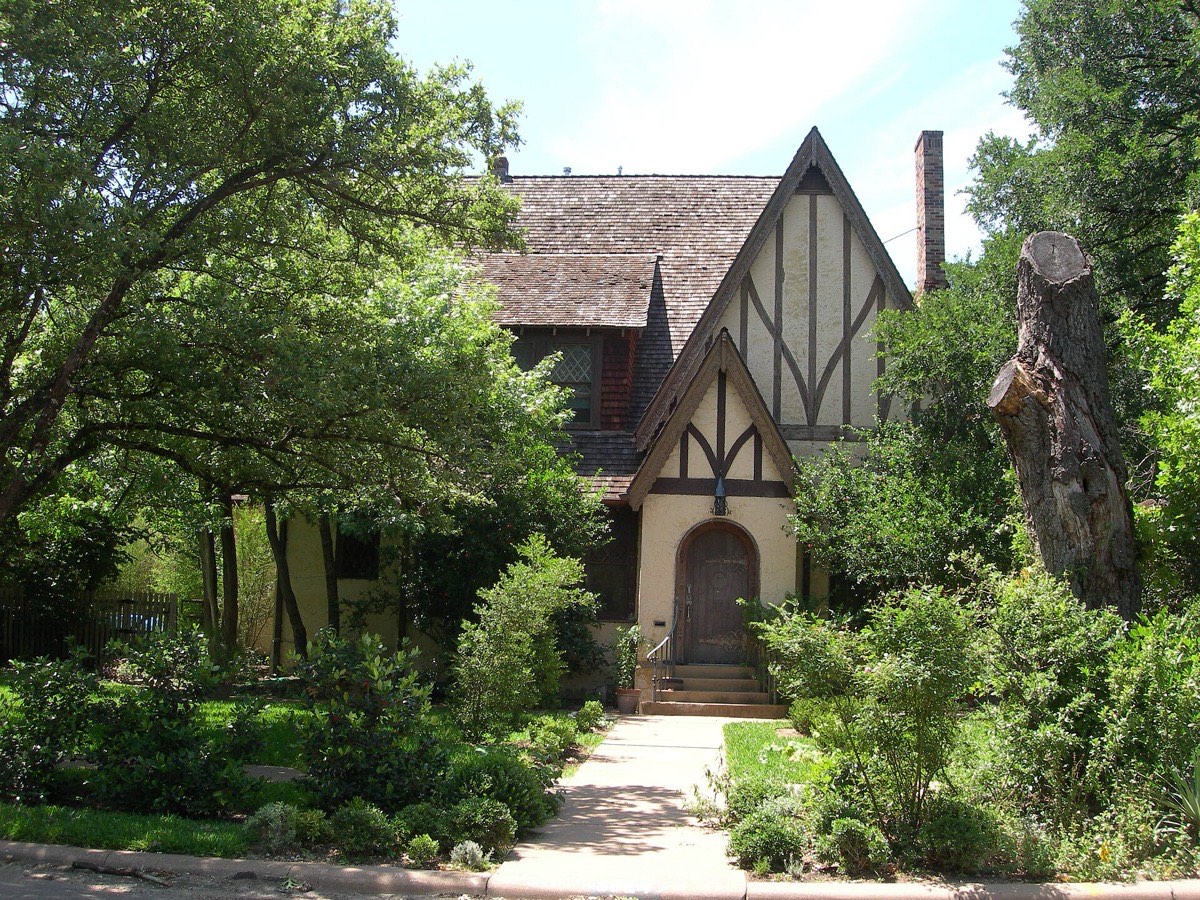 Neighborhoods and affordability
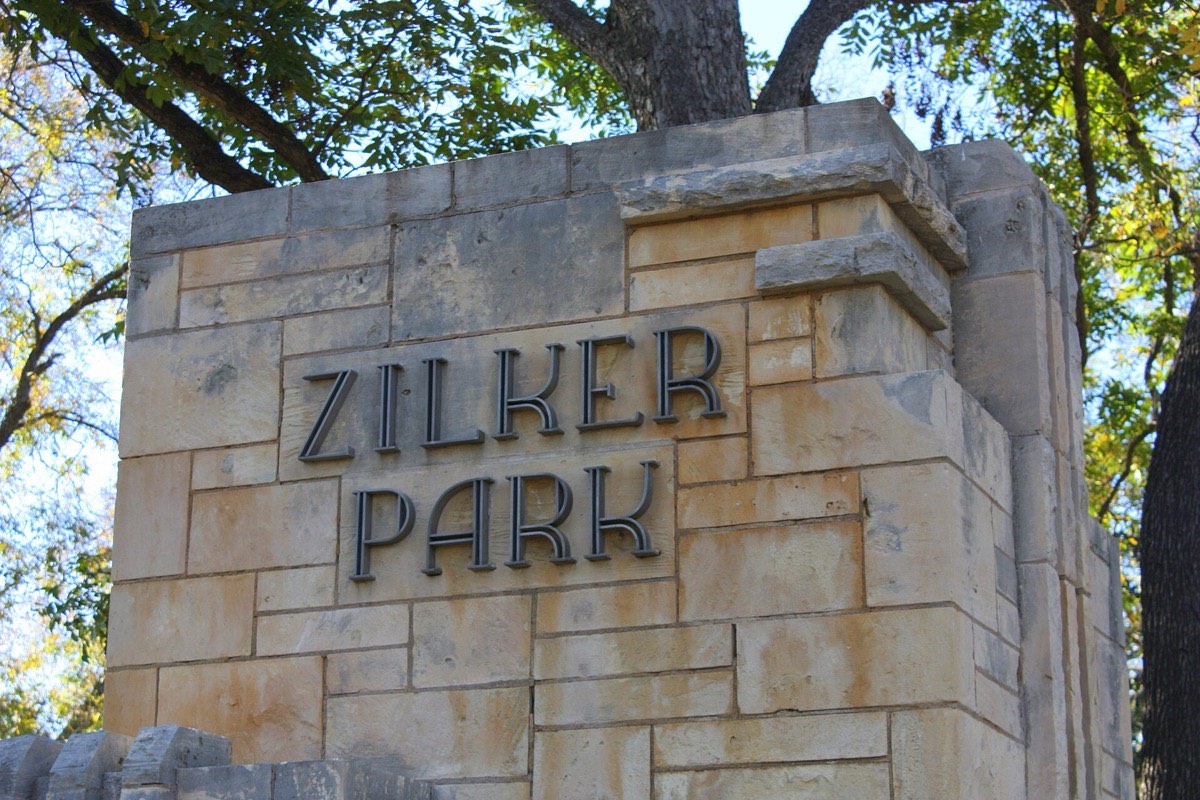 Parks and public safety
Photos via Wikimedia Commons: Lady Bird Lake by Billy Hathorn and the Zilker Park sign by Matthew Rutledge (CC BY 2.0); Hyde Park home by Dtobias (CC BY-SA 3.0).
Where things stand
On July 23, 2026, the Austin City Council voted 7 to 3 to create the tax financing district for the Dog's Head Development, a 2,600-acre project along the Colorado River anchored by an Amazon robotics facility. It was the first step in a long process, not the last. Final approval is not expected until 2027, and Travis County has so far declined to join the deal. Because thousands of neighbors made themselves heard, Council added commitments on river protection, affordable housing, and displacement before it voted.
When the Dog's Head TIRZ came before Council, most Austinites had never heard of it. The anchor tenant was not named publicly until two days before the vote, on an agreement that gave residents almost no time to respond.
So we organized. Austin United PAC helped neighbors send nearly 16,000 emails to Council offices, council staff, and city leadership, and we packed City Hall on the day of the vote.
It made a difference. Before voting, Council added conditions on Colorado River protection, affordable housing, and displacement. Three members voted no. Travis County held back entirely. A deal that once looked done became a deal with strings, scrutiny, and a spotlight on it.
That is what Austin United can do: organized neighbors, working together, changing the face of power, changing the future, changing the votes and the actions of City Council. We are proud of this community, and grateful for your support. We are not going anywhere.
The anchor is a 300-acre Amazon robotics facility that promised 300 to 500 jobs. Set that against as much as $2.2 billion in public subsidy, and it is fair to ask whether Austin got a fair trade.
The agreement also lists data centers as a permitted use. Robotics warehouses and data centers want the same things: cheap land, heavy power and a lot of water. Data centers employ almost no one, and nothing in this deal prevents that conversion once the pavement is down.
The city's own staff said the district will need 50 more police officers, 16 firefighters and 12 EMS medics, plus a new fire and EMS station, a library and parkland. Austin taxpayers carry those costs whether or not the jobs arrive.
Travis County commissioners declined to join the tax zone and asked for more information first. Their questions are still unanswered, and roughly half a billion dollars in county revenue is still unsettled.
This is a whole lot of 'trust me,' and I think you can understand why people are uncomfortable.
Travis County Commissioner Brigid Shea, on the Dog's Head Development, citing Tesla's failure to meet its county tax incentive commitments at Giga Texas.
The Colorado River runs free through this stretch. Hornsby Bend, just downstream, is one of the most important birding and habitat areas in Central Texas and sits on a migratory corridor. Old mining ponds that drain straight into the river would be used for water treatment.
Floodplain function, tree canopy, riparian buffer and dark skies all change at once, and they do not come back. This is East Austin, where neighborhoods have already carried more than their share of the city's environmental burden.
Council added commitments before it voted. Our job now is to make sure they become binding terms, not just promises. Over the coming months we are watching for:
The next phase will play out over months, not days. Austin United will be holding the city and the developer to their word on the river, on housing, and on the promises made at the dais. The votes that matter are still ahead, and Travis County has not signed on.
Add your name and we will keep you posted on every step, and let you know the moment your voice is needed again.
Your information stays with Austin United PAC. See our privacy policy.
Sources: KUT, KXAN, Community Impact, and Travis Audubon.
How we decide
We support candidates who commit to a clear standard. Before we endorse, we look for leaders who will:
Local races are decided by a few hundred votes. Your support helps put these priorities into office.
Donate today